

The Second Act | Redefining Women's Mental Health
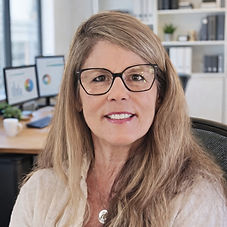
As women, we can wear many different hats, each in a different color, size, and style at various stages of our adult lives. One of my greatest joys in life is spending time with family. This continues to include my birth family (older parents and two remaining living brothers); extended family; and especially time with my husband of 25 years and my three adult children (23, 21, and 19-years-old). Although spending time with family is a place where I have experienced a lot of joy, my professional role with counseling clients has continued to provide meaning in my current “hat”.

Throughout my personal life experiences and my almost 30 years of working with people as a Florida-licensed Mental Health Counselor, I have found that counseling with women and what I will refer to as the ‘acts’ of life hold a noteworthy meaning for me. The ‘first act’ in the 20-40 age range is learning how to transition into adulthood and juggling school, career decisions, finding a life partner, marriage, children, and navigating the choices around us. This writing will, however, focus on women’s ‘second act’ and mental health. Like myself, women in the 40-60 age range are in the ‘second act’ of adulting. During this act, many life-changing events can lead to new awareness. These events include, but are not limited to, becoming an empty nester, career changes, relationship changes like divorce or finding more time with a significant other, and role shifts in caring for others.
In my second act, I am finding myself no longer having to juggle navigating my professional career with co-parenting, which focuses on raising healthy, happy, and responsible human beings in an ever-changing, chaotic world. There are new challenges when the children in your family no longer need the time and energy they once did as they become adults themselves. However, I will never stop working on being the best partner and the best mom, including being my adult children’s biggest life cheerleader. That cheerleader is now from the balcony instead of from the front row, and so my daily life’s meaning looks very different. How do we navigate and focus on our mental health and find new meaning in the second act?
First, it is too familiar in our world to separate mental health and physical health into two different entities, even as seen in the insurance realm. However, it is essential to recognize that mental health and physical health are interconnected and, simply put, significantly impact each other. The second act continues to balance both physical and mental health contributors. This includes actively staying up to date on preventative health care, including annual physical health monitoring. It is not uncommon in the ‘first act’ as women, we become so busy with taking care of other people that we can find ourselves lost, and focusing on and balancing our own mental health presents new challenges. As second-act women, we can sometimes find ourselves with the question “What next?” and “How can I really shift other-focused to self-focused without feeling selfish?” When we really allow ourselves to focus on our emotional growth, healing, and happiness, it is not only NOT selfish, it is VITAL.
As we get older, we also have less control over some physical health issues, such as aging body parts and changing hormones. It is vital to learn to love and be happy with ourselves, so we can continue to be present and happy with those we love. The first step is to identify our own strengths and use these strengths to nurture and care for the woman we are today. As Louise L. Hay states in her book You Can Heal Your Life, “When we create peace and harmony and balance in our own minds, we will find it in our lives” (p. 13). We must allow ourselves to be ‘self-full’ and actively practice healthy tools that allow for peace and harmony in our lives today.
What does that look like, and how can we do that? This is the pertinent question that gives us the tools to learn how to focus on self-care. Self-care is essential for building and revisiting our relationships, first with ourselves, which directly impacts the significant others in our lives. Care directed towards the self allows for experiences in happiness and personal meaning in the new routine, fostering balance and psychological well-being.
First, identify and acknowledge individual strengths that are the root of who we can become through every experience up to this point. This includes embracing all these experiences, whether perceived as positive or negative, with gratitude and gentle acceptance. Every experience to date has been perfect in shaping the amazing person we have become. We each have done the best we could at every single moment up to this point, because if we had known at any given moment that there was a better choice, we would have chosen it. We can next implement daily practices of gratitude and self-love, along with activities that nurture both our emotional and physical health, using our identified strengths. Choose to practice daily positive self-messages, daily conscious mindfulness, and enjoy those around us with the same self-love we are learning to practice in our lives. This also includes finding and/or connecting with our balcony people, knowing that the journey consists of loved ones, friends, and sometimes professionals. It is when we practice these tools, toward peace, harmony, and balance, that the astounding hats we wear in our second act can begin to look and feel like a glorious adventure rather than a confusing struggle.

About The Author
Bonnie Bucco is a Pensacola native with a longstanding career dedicated to supporting individuals and families across the lifespan. She earned her BA in Psychology from Clemson University before continuing her graduate studies in Expressive Art Therapy, receiving her MA from Lesley College in Cambridge, Massachusetts. Bonnie began her counseling career in Tampa, Florida, working in community mental health, and went on to earn national and state credentials, including National Board Certified Counselor and Florida Licensed Mental Health Counselor, as well as LMHC supervisor certification.
After returning to Pensacola in 2005, Bonnie continued to build a diverse and impactful practice, providing therapeutic services across a wide range of settings and working with clients ages 4 to 88. She later earned an Education Specialist degree and became certified in School Counseling and Elementary Education. Today, she maintains a private practice in downtown Pensacola and is also a Certified Grief Counselor. Her clinical specialties include child development, family systems, parenting and co-parenting, mood disorders, trauma, and grief. Bonnie’s integrative approach draws from Cognitive Behavioral Therapy, Art Therapy, and Mindfulness, with a focus on healing, growth, and strengthening relationships for individuals, couples, and families.

Coastalpolitan Magazine | 2026 FEB-MAR



Comments